Tree Cutting vs. Pruning: What Somerville Trees Need
Tree Cutting Service Somerville
Beginning with a better understanding of the differences between tree cutting and pruning will help maintain a healthy forest of trees throughout Somerville, Massachusetts. Both tree cutting and tree pruning involve removals from your tree; however, the goal, method, and time frame of these removals are vastly different. Whether it is an older oak along Davis Square or one of the new plantings at Assembly Row, every tree species requires a unique maintenance plan.
Understanding The Fundamentals Of Tree Cutting Services
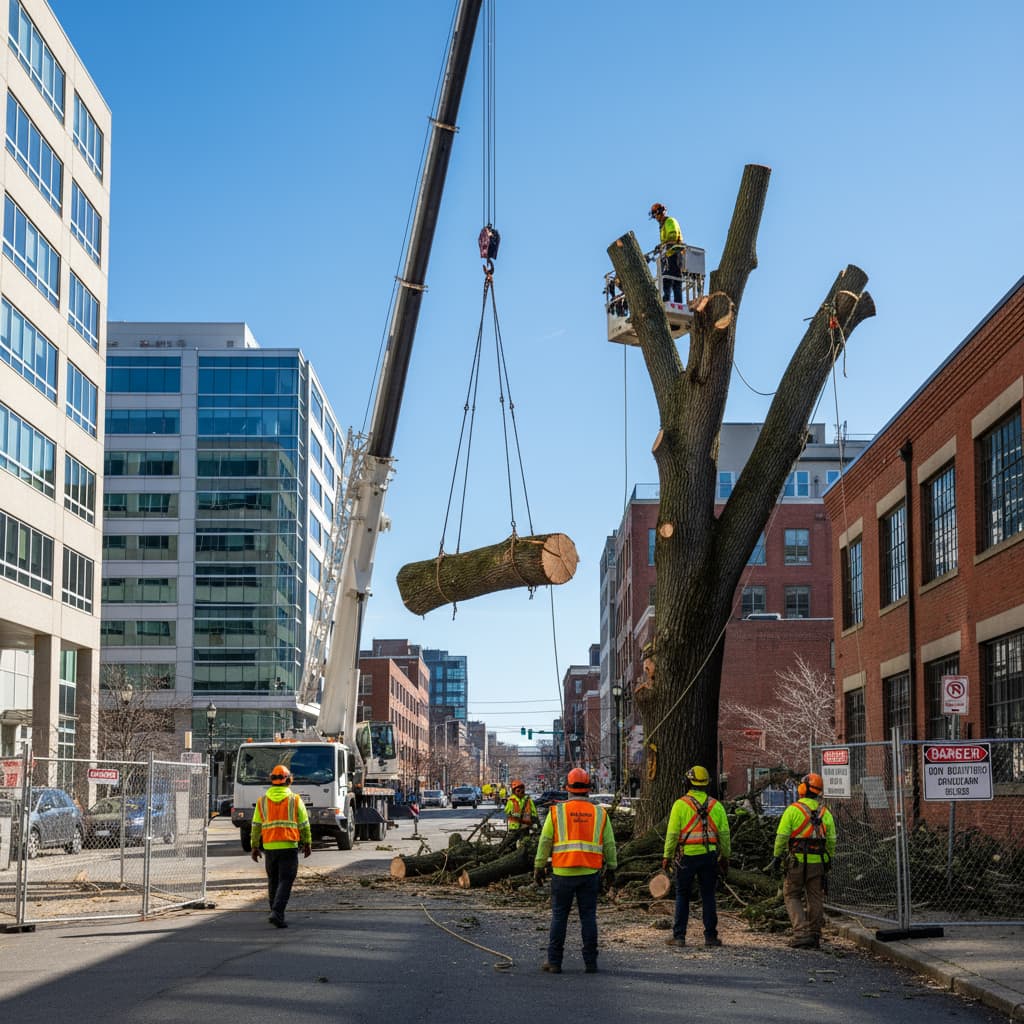
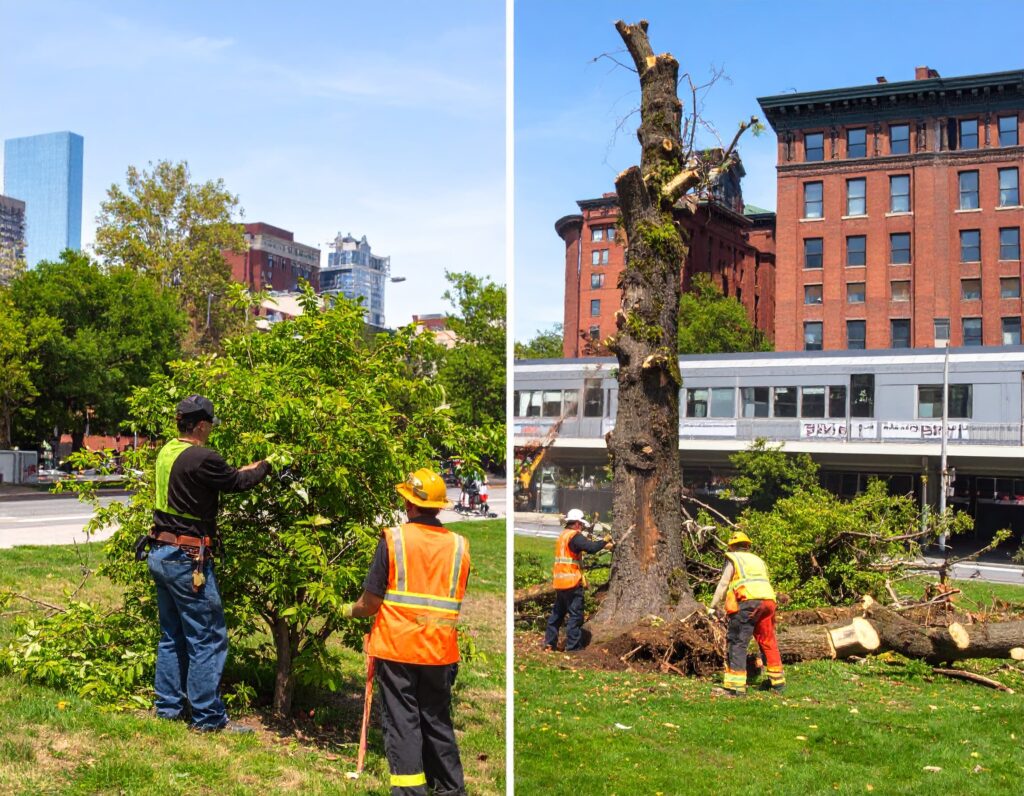
Tree cutting is defined as the total removal of one or more trees (and/or) the total modification of a tree’s physical configuration. The tree-cutting process (removal of a majority of the tree(s)) will include the complete removal of one or more dead, dying, or hazardous trees located in Somerville.
There are many factors that contribute to why a homeowner would choose to hire a tree cutting service to cut down his/her trees instead of hiring a tree-cutting service to trim/prune his/her trees. Some of these reasons include:
- A tree is dead.
- A tree is diseased and poses a risk to other trees.
- A tree has grown too big for the available space.
- A tree has been severely damaged during a storm.
- Development projects require the removal of trees in order to proceed with the project.
In Somerville’s densely populated urban setting, there are many times when a tree cutting service provider must plan very carefully so that the surrounding structures, power lines, and adjacent homes will not be harmed during the cutting process.
When is a Professional Tree Cutting Service Required?
There are many situations in which a homeowner will require a professional tree cutting service to cut down his/her trees rather than a tree trimming service. Some examples of these situations include:
- Trees that have been severely damaged by a storm or high winds are no longer stable or safe.
- Trees that are extensively diseased or infested with insects that could potentially spread to other trees.
- Mature trees that have overgrown their allocated space.
- Trees located close to historic sites, such as the Somerville Theatre, or busy college campuses, such as Tufts University, present safety concerns that dictate tree-cutting decisions.
- Emergency tree cutting is required when trees create an imminent threat to the general public or to someone’s private property. A certified arborist can quickly determine if a tree is structurally unsound and if it must be removed. The certified arborist can then safely remove the tree in accordance with local regulations.
The Science And Art Of Tree Pruning
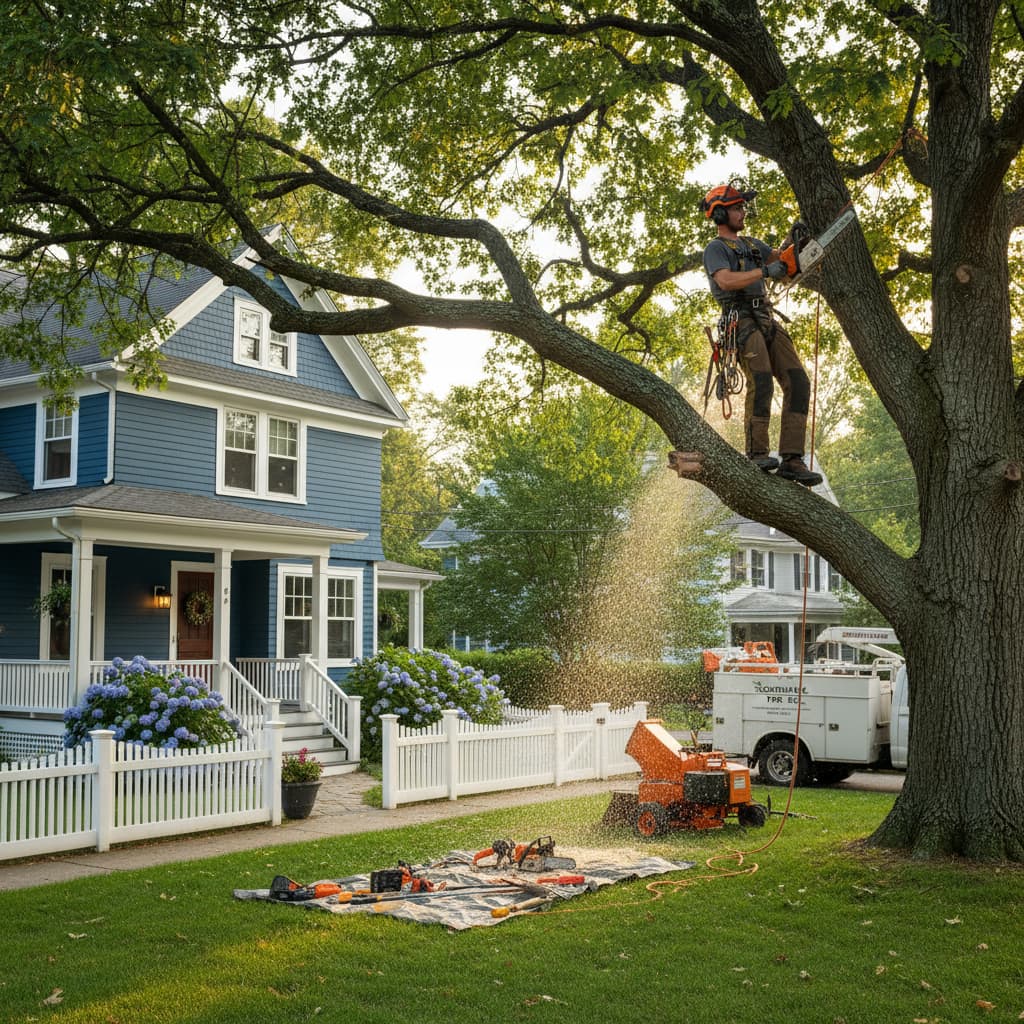
Pruning refers to the removal of select branches of a tree to promote tree health, tree structure, and appearance while retaining the tree’s original physical configuration. Unlike tree cutting, where the objective is to completely remove the tree, the goal of pruning is to selectively remove branches to allow for better air movement, sunlight penetration, and elimination of diseased or damaged branches.
A skilled arborist must understand the biological and physiological characteristics of a tree to make the correct pruning cuts to promote healthy growth while maintaining the structural integrity of the tree. Understanding tree biology and growth patterns is important when caring for the various types of trees that exist in Somerville’s neighborhoods.
Kinds Of Pruning Techniques
There are three basic kinds of pruning techniques that a certified arborist can perform. They are as follows:
1. Crown Thinning
Crown thinning involves the selective removal of certain branches throughout the tree’s crown to decrease the density of the tree and to allow for increased sunlight penetration into the tree. This type of pruning is usually beneficial to mature trees that exist in established residential areas, such as Ball Square and Porter Square.
2. Crown Raising
Crown raising involves the removal of lower branches of a tree to provide additional clearance for pedestrians, vehicles, and/or buildings. This type of pruning is extremely useful to residents living on Somerville’s busy streets and/or near public transportation stations, such as the Davis Square Red Line Station.
3. Crown Reduction
Crown reduction involves the selective reduction of the tree’s overall size to maintain the tree’s natural shape. Crown reduction is used to control mature trees that have grown beyond their designated space and do not need to be totally removed.
Timing Issues For Tree Pruning In Massachusetts
As a result of Massachusetts’ unique seasonal climate patterns, there are optimal seasons for performing various types of tree-care services. Typically, late winter and early spring are considered to be the best seasons for most tree-care services because the trees are still dormant and the wounds caused by pruning will heal rapidly once the growing season commences.
There are some benefits associated with pruning in the winter. Winter pruning causes less stress to the tree since it is in a dormant state, there are fewer opportunities for disease or pests to occur, and the lack of foliage makes it easier for a certified arborist to visually inspect and make accurate cuts. Winter is a perfect time for New England to prune due to the climatic conditions of the region.
Timing Factors To Consider When Pruning Specific Tree Types
Some tree species require special consideration when it comes to pruning timing. For example, spring-flowering trees, such as dogwood and magnolia trees, should be pruned right after flowering to avoid cutting off the current year’s flowers. Pruning during the summer months can be done on an emergency basis or for minor corrective work. Pruning during the fall is usually avoided because the tree is preparing for the upcoming winter, and the cuts will take longer to heal before the tree enters its dormant state. However, emergency tree-cutting service may be needed regardless of the season if the trees pose an immediate threat to public safety.
Benefits To Health: Pruning Versus Total Tree Removal
Pruning regularly is a great way to help protect trees from disease and pests by removing diseased branches before they cause harm to the rest of the tree. In many cases, this will eliminate the need for more extreme tree-removal services in the future.
Pruning will also improve air circulation within the tree’s canopy, thereby reducing the amount of humidity that exists within the canopy and reducing the occurrence of fungal diseases. By strategically pruning branches, you can also encourage healthy growth patterns and reduce stress on the tree.
Preventing Diseases Using Proper Tree Care
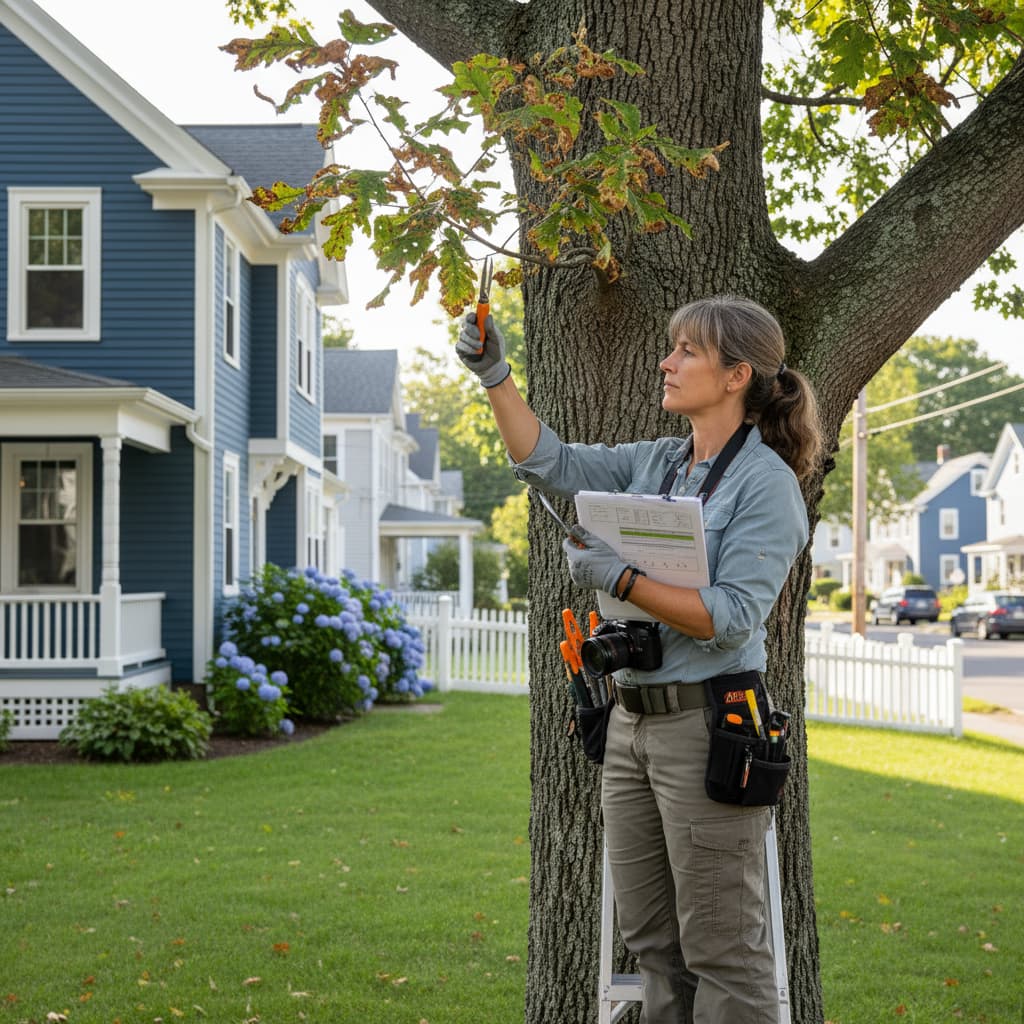
It is possible to prevent disease in trees using proper pruning practices. Certified arborists can diagnose problematic branches and remove them to preserve the overall health and structure of the tree.
Certified arborists know the proper ways to make clean cuts that will heal quickly and will not create easy access routes for diseases and pests to enter the tree. This expertise is especially valuable for maintaining the urban forest canopy of Somerville for future generations.
Safety Precautions When Performing Tree Work
Both tree cutting and tree pruning present serious safety concerns that require professional arborists who have the proper training and safety equipment to perform the work. Large trees, heavy equipment, and sharp power tools all represent serious safety hazards.
Certified arborists have the proper training and safety equipment to safely work with large trees and power equipment. In addition, certified arborists have liability insurance to cover them in case of accidents. Safety precautions are especially important in urban areas of Somerville, particularly when working near power lines, buildings, or busy streets.
Professional Equipment And Expertise
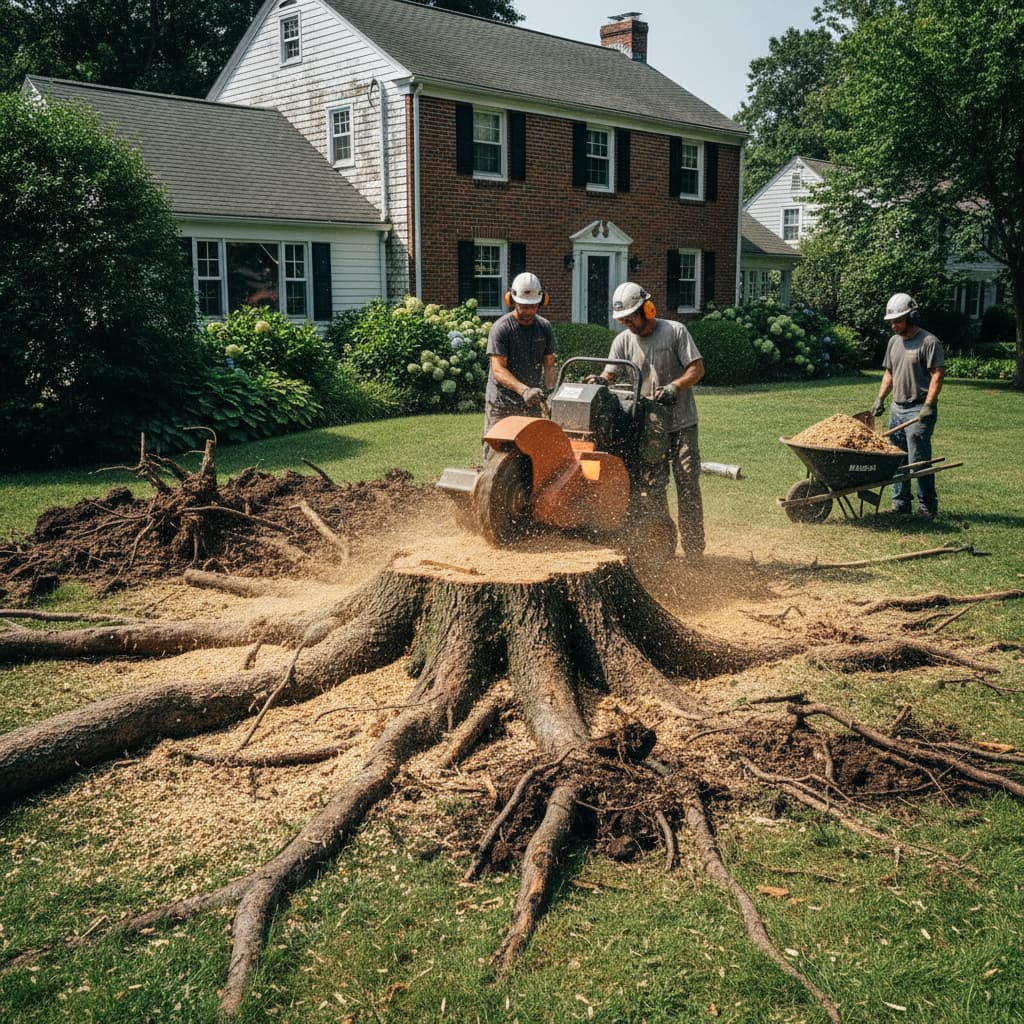
Professional tree-cutting service providers utilize specialized equipment designed specifically for tree cutting and pruning, such as cranes, chippers, and professional-grade chainsaws. Certified arborists have extensive knowledge of proper cutting techniques that will minimize damage to surrounding property and minimize risk to themselves and others while working at heights.
Certified arborists use climbing equipment, safety harnesses, and protective clothing to safely climb trees and make precise cuts. This expertise is especially valuable when working in and around historic buildings and infrastructure in Somerville.
Cost Considerations: Pruning Versus Removing Trees
While regular pruning will cost less than total tree removal and represents a longer-term investment in your trees, it also has many benefits to property owners. Regular pruning can extend the life of trees, and therefore the cost of purchasing and installing new trees. Additionally, regular pruning will reduce the likelihood of emergency tree removals, which are typically much more expensive than planned maintenance.
Investing in regular pruning services will ultimately save you money through increased property values, reduced utility bills from strategically placed shade, and avoided emergency costs from storm damage and disease problems.
Long-Term Value of Well-Maintained Trees
Trees that receive regular maintenance can add up to 15% to the value of your property while providing numerous energy-saving benefits through strategic placement of shade and windbreaks. Regular pruning will continue to provide these benefits and avoid the need to replace mature trees with younger ones.
Certified arborists can assist homeowners in developing maintenance plans that maximize tree health while minimizing costs. Planning will always prove more cost-effective than reacting to a problem after it occurs.
Environmental Impacts & Urban Forestry Management
Maintaining existing mature trees through proper pruning will provide more environmental benefits than planting new trees in place of the ones that were removed. Mature trees provide far greater air-quality improvements, stormwater-management capabilities, and wildlife habitats than younger replacement trees.
Somerville’s urban forest plays a crucial role in improving air quality and regulating temperatures. Continuing to prune and maintain the existing trees in Somerville’s urban forest will also continue to support the environmental benefits provided by the urban forest while reducing the urban heat-island effect.
Supporting Somerville’s Environmental Goals
By providing professional tree-care services, you are helping to support Somerville’s environmental initiatives by preserving canopy cover and promoting biodiversity. Properly pruning trees will also continue to support the City’s urban forestry programs.
Somerville Tree Masters recognizes the community’s environmental priorities and will assist you in determining the best course of action for both your property and the community’s urban forest goals.
Deciding Which Service Best Suits Your Trees
To determine if you should have your trees pruned or completely removed, you should consult a certified arborist. A certified arborist can evaluate the condition of your trees, diagnose any problems, and suggest the best course of action.
Consultation with a certified arborist will provide you with the information you need to make informed decisions regarding tree-care investments. A certified arborist will also educate you on the different types of trees, the condition of your trees, and the growth patterns of your trees to determine the best course of action for your property.
Working With Qualified Professionals
Choosing to hire a qualified tree-cutting service provider will ensure that the work completed meets the standards of the industry and complies with local regulations. Certified arborists possess the knowledge and equipment to safely and effectively perform tree-care services.
Qualified tree-cutting service providers understand the specific requirements of Somerville, including the permitting process and local tree-protection ordinances. This expertise is essential in navigating the complexities of regulations and achieving the desired results for your property.
LATEST POSTS