Safe Tree Removal After Storm Damage
Tree Removal Somerville
Storm-damaged trees pose an immediate threat to personal safety and the protection of homes and families by necessitating a very thorough and professional evaluation of those threats so that property damage can be minimized, as well as loss of life. The risk increases dramatically for homeowners when they have damaged trees due to severe weather that are at risk for failure, with downed or damaged electrical lines, and diminished structural integrity of their home. Somerville Tree Masters offers specialized emergency response services related to storms and provides safe and timely removal of trees that pose danger, while working to prevent additional damage to nearby property.
Immediate Safety Assessment After Storms
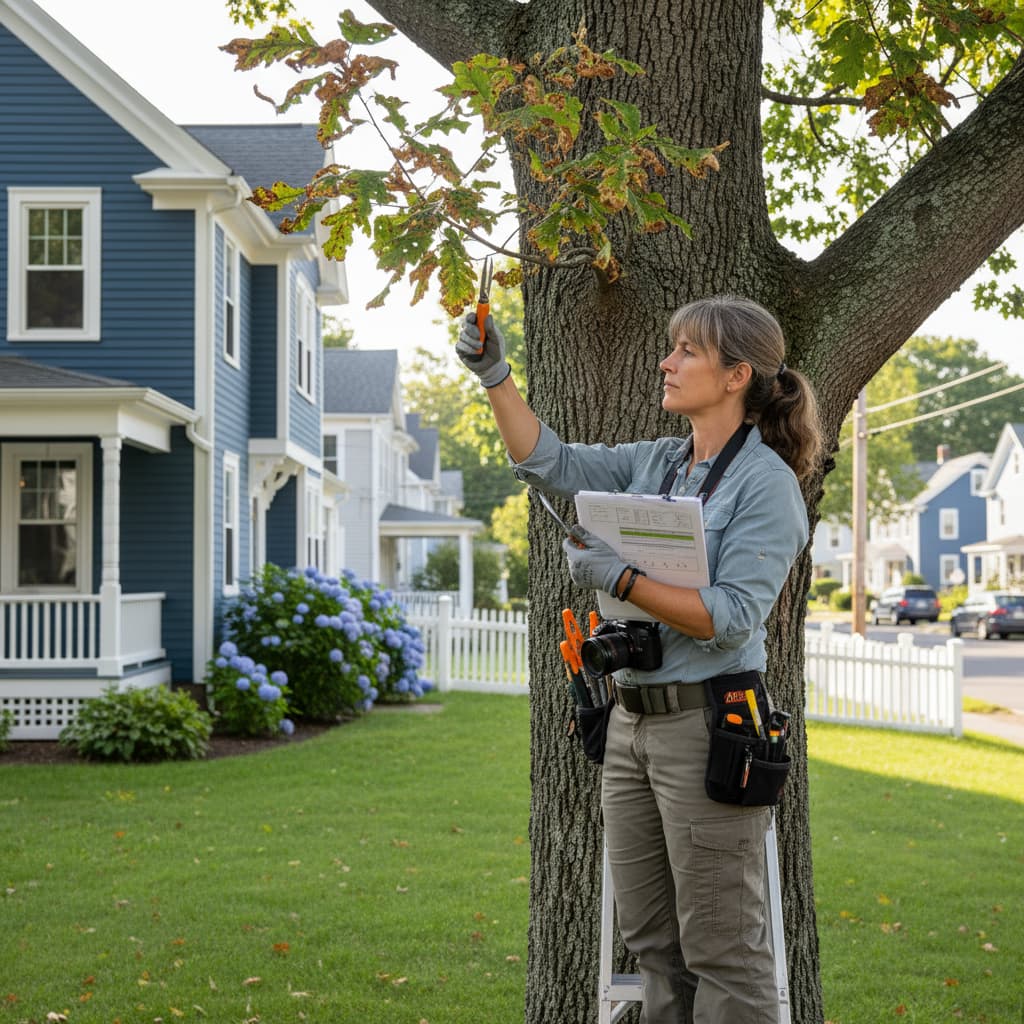
After a storm has caused damage to your trees, you will want to conduct a full safety inspection before beginning any tree removal. A tree may look intact and safe yet contain hidden structural weaknesses that can lead to unpredictable and dangerous behavior. Professional assessments evaluate the structural integrity of the trees, determine the appropriate course of action to take, and assess potential hazards related to the tree.
You should create a safe perimeter around all damaged trees and refrain from entering the area until a professional has evaluated the tree. A storm-damaged tree can fail without warning and drop large branches or topple completely onto individuals, vehicles, or structures in proximity to it.
Trees contacting power lines can act as a conduit for deadly electric currents throughout their entire structure. Even when not physically in contact with a wire, trees in contact with electrical wires can be hazardous to individuals and other objects by conducting electricity. Any tree-removal activity involving contact with power lines will need to notify the relevant utility company immediately and involve line-clearance workers. In addition, Massachusetts law prohibits anyone (except certified line-clearance specialists) from performing work within ten feet of primary power lines.
Storm-damaged tree-removal services employ a systematic protocol to respond to emergencies resulting from storm damage. The initial phase of this protocol focuses on assessing trees that have fallen onto homes or buildings, block critical access routes, or pose an immediate risk to public safety.
Each situation will be assessed based on specific criteria such as tree size, extent of damage, proximity to structures, and the likelihood that the tree will continue to fail. By employing a systematic approach, emergency-response teams can manage their resources effectively and give priority to those situations that pose the greatest danger to the public.
Equipment and Expertise Needed for Storm-Damaged Tree Removal
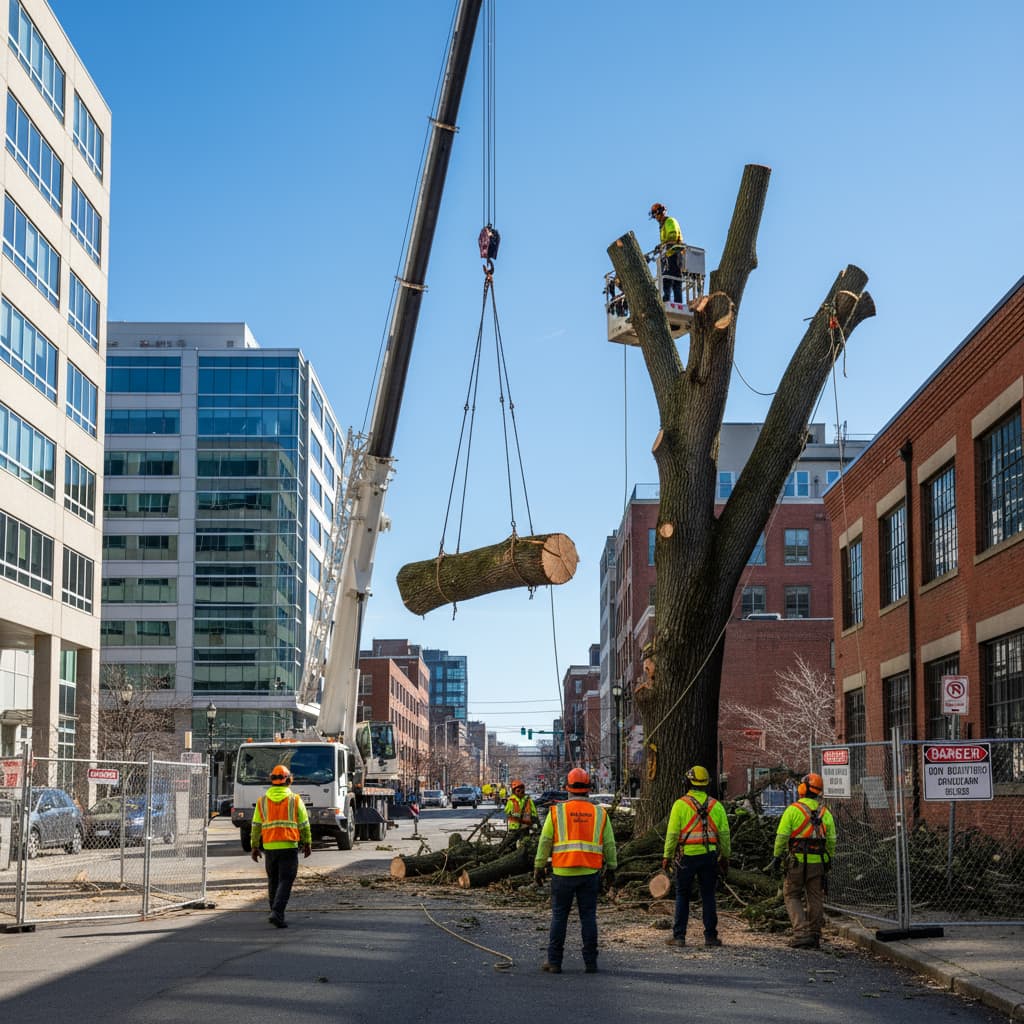
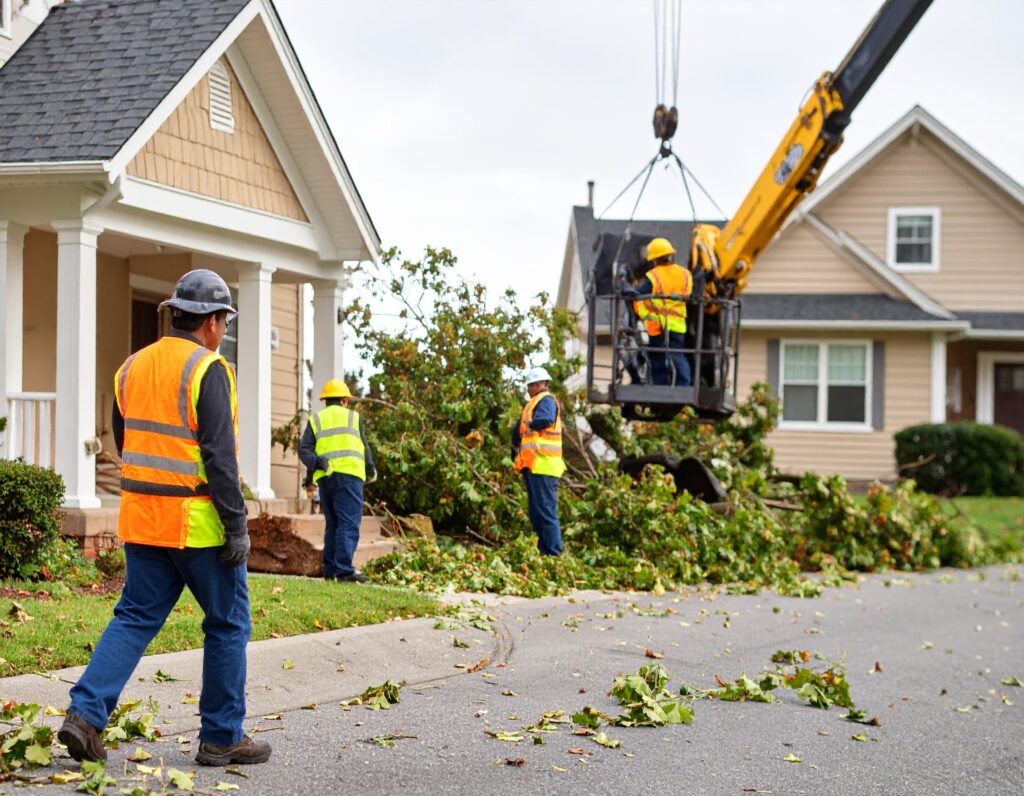
Storm-damaged tree removal will often require specialized equipment beyond what a typical tree service uses for routine tree removal. Examples of specialized equipment used in storm-damaged tree removal include cranes, winches, and rigging systems. Such equipment is needed when removing trees that have been partially damaged and are either too unstable to climb or where there are obstacles to climbing due to damaged structures.
Experienced arborists possess the training and experience to operate complex equipment in a safe and controlled manner, taking into account the unpredictable nature of storm-damaged trees. This level of expertise is critical when removing trees that are under stress and/or structurally compromised.
Common Scenarios Involving Storm-Damaged Trees
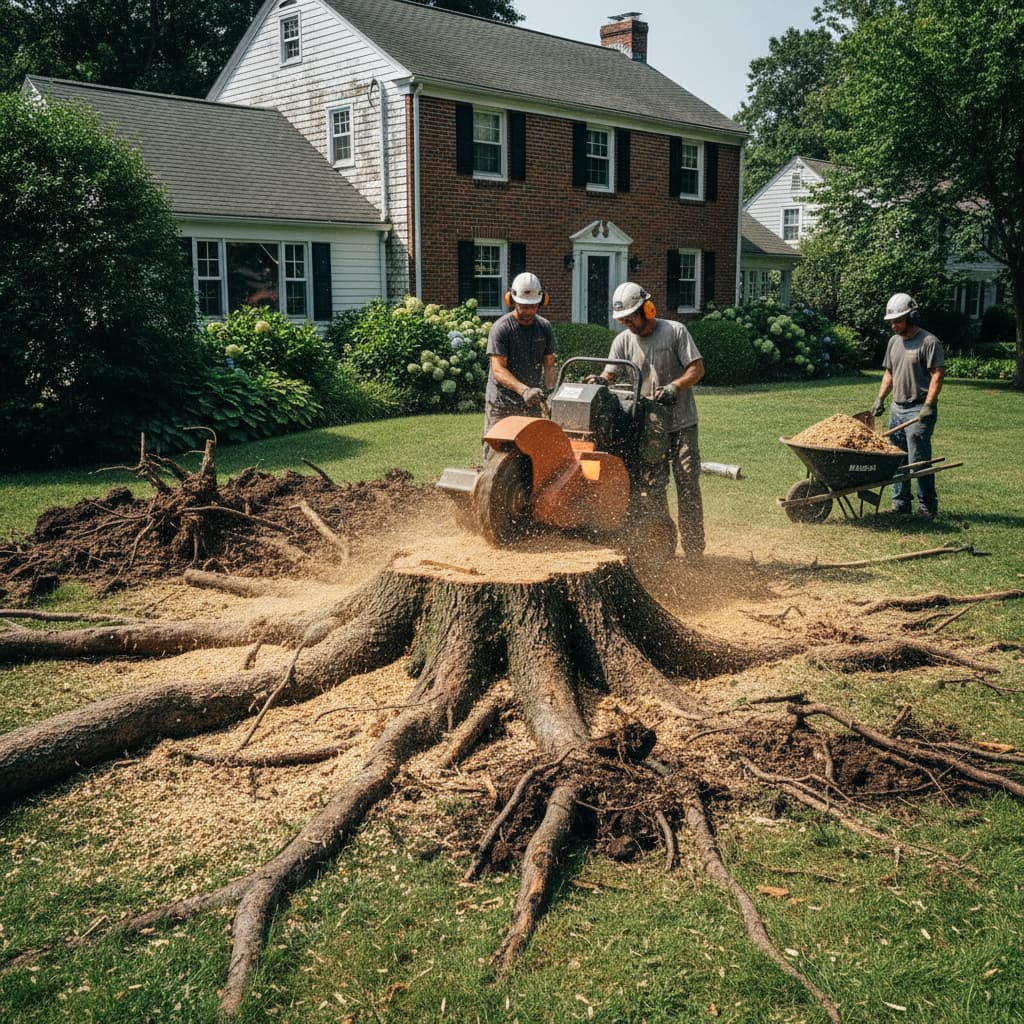
One of the most common scenarios encountered in storm-damaged tree removal is when an uprooted tree leaves behind a complex root system and unstable soil conditions. Removing trees in this condition necessitates careful consideration of soil stability and potential for further tree movement during removal.
Another common scenario is when removing a partially failed tree with a broken trunk or significant branch damage. Partially failed trees are particularly hazardous because they remain under considerable tension and can suddenly move violently upon being cut, thus requiring specialized removal techniques and a great deal of caution.
Dead Branches, Hanging Limbs, and “Widow Makers”
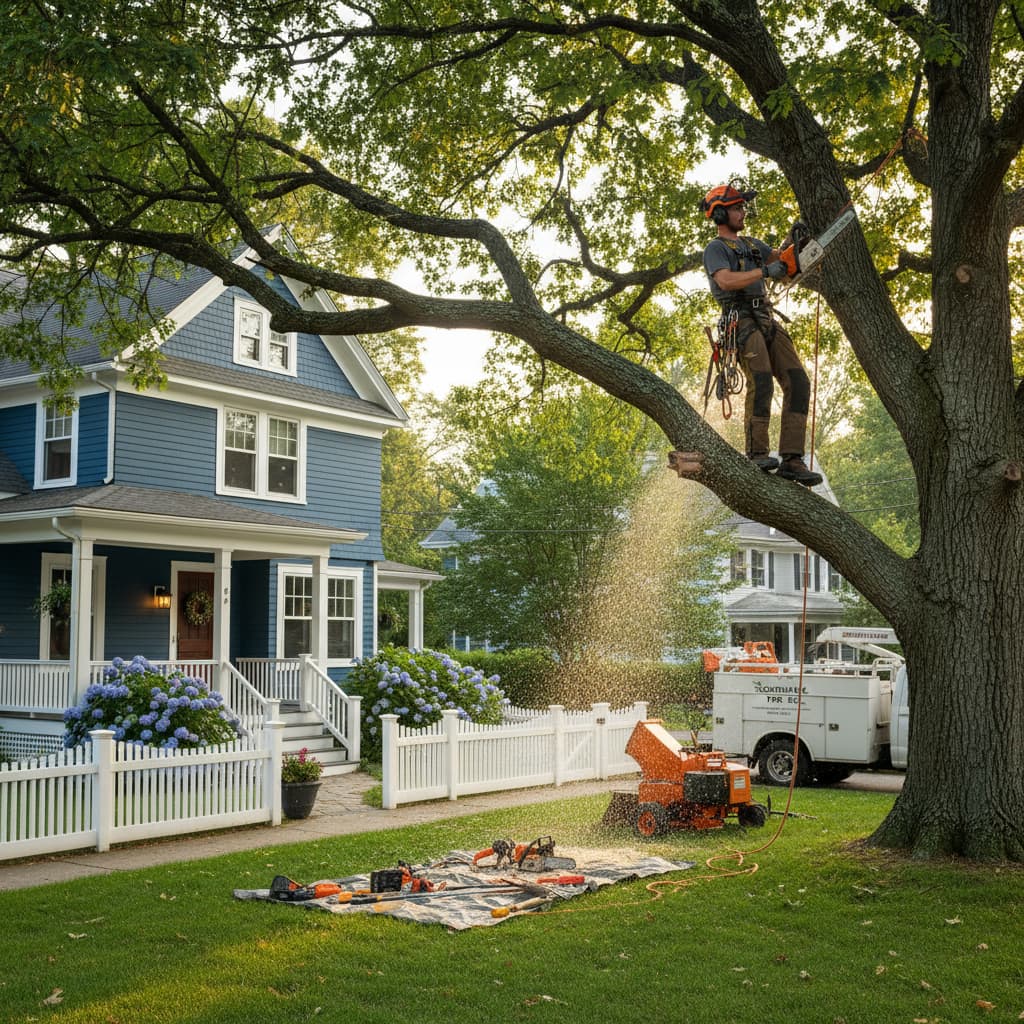
Storm damage frequently results in hanging branches trapped in tree crowns, known as dead branches or widow-makers. Dead branches are especially hazardous because they tend to fall without warning. Professional tree-removal services utilize specialized removal techniques and equipment to safely remove dead branches without placing themselves at risk or causing additional harm to surrounding property.
When attempting to remove these hazardous branches yourself, you run a significant risk of serious injury.
Why Choose Professional Storm Tree Removal Services?
Storm-damaged tree removal presents many hazards that go beyond the complexities of regular tree removal. As previously stated, storm-damaged trees exhibit unpredictable behavior, placing everyone in proximity to the trees at risk unless the individual attempting to remove the tree possesses specialized training and experience in emergency tree removal.
In addition to having the knowledge and skills to safely remove trees in emergencies, professional tree-removal services also carry the necessary insurance coverage and equipment to safely complete hazardous removal projects. When working with high-risk situations, homeowners need assurance that their professional service providers are adequately insured to protect against the consequences of accidental property damage or injury.
Insurance Coverage and Liability
Most homeowner’s insurance policies cover damages caused by storms and tree removal when trees fall onto covered structures; however, coverage will vary depending on the specifics of the policy. Professional tree-removal services are well-versed in the requirements of insurance coverage and will provide homeowners with the necessary documentation to file successful claims.
However, by attempting to perform storm-damaged tree removal on your own, you risk voiding your insurance coverage if you are injured or cause additional property damage. Professional tree-removal services are properly licensed and insured to protect homeowners from liability when completing high-risk removal operations.
Response Time to Emergency Situations
Responding quickly to storm-damaged trees minimizes the creation of new hazards while conditions are still manageable. However, if a prompt response is delayed, the damaged trees will continue to deteriorate and potentially create more complicated and costly removal scenarios.
As a result, professional tree-removal services strive to have emergency-response capabilities in place so that they can respond rapidly when storm damage occurs. In the event of widespread storm damage, professional services’ rapid-response capabilities become even more important since the demand for service increases dramatically.
Prioritization of Multiple Damage Sites
When a storm causes multiple areas of damage to properties, professional tree-removal services assist in establishing a logical plan to prioritize removal based on the degree of hazard posed by each situation and practical considerations. Those trees that are most likely to threaten structures or impede emergency-vehicle access are given the highest priority for removal.
By using a systematic approach, professional services are able to allocate their resources efficiently while ensuring that the most hazardous situations are addressed first. Professional assessment enables homeowners to recognize which trees require immediate removal and which can be removed later on a scheduled basis.
Documentation and Evidence Collection
For purposes of insurance claims and meeting municipal reporting requirements, it is essential to document the extent of the damage to the storm-damaged trees and how the damage relates to covered structures or property. Professional tree-removal services are aware of the documentation requirements associated with the removal of storm-damaged trees and can provide photographs, reports, and expert testimony when required.
Before commencing removal, professional services collect comprehensive documentation of the damage to the trees and their relationship to adjacent structures or property. Documentation collected provides necessary evidence for insurance adjusters who may not witness the damage until after the emergency removal has occurred.
Communicating with Insurance Adjusters
Professional tree-removal services often interact with insurance adjusters to facilitate insurance-claims processing and ensure that homeowners receive adequate coverage for the removal of the storm-damaged trees. Understanding the terms and requirements of homeowner insurance policies facilitates professional communication with adjusters regarding necessary documentation and evidence to support legitimate claims.
Expertise in communicating with insurance adjusters is particularly helpful to homeowners during the post-storm recovery period.
Debris Cleanup and Site Restoration
Removing storm-damaged trees results in a significant amount of debris that must be disposed of responsibly and safely. Debris cleanup and some site restoration are included in the emergency-response services offered by professional tree-removal services.
Proper cleanup of debris eliminates secondary hazards such as pest habitats, fire hazards, and drainage issues while enabling property repair and rebuilding efforts to proceed. Professional cleanup services understand municipal regulations concerning debris removal and can ensure that debris is disposed of in compliance with regulatory requirements.
Secondary Hazard Prevention
Poor debris-management practices can create additional hazards and problems, such as pest infestation, fire hazards, and poor drainage. Professional debris-cleanup services eliminate secondary hazards while promoting property recovery.
Proper placement and removal of debris protect the undamaged landscaping and structures from unnecessary damage during cleanup. Proper debris management protects property value while addressing emergency tree-removal needs.
Reducing Risks of Future Storms
Following a storm, post-storm assessments often reveal the presence of trees exhibiting conditions that contributed to their failure. Professional services can assess the conditions of the remaining trees and suggest preventative care to minimize the potential for future storm damage.
Preventative care of trees includes maintenance of the trees, such as pruning, healthcare, and removal of declining trees. Regular maintenance of trees can significantly decrease the likelihood of storm damage.
Selecting and Placing Replacement Trees
When selecting replacement trees for those damaged or destroyed by a storm, selecting the right species and placing them in the correct location can significantly reduce the potential for future storm damage. Professional tree-removal services know which tree species perform best during severe weather and in which locations.
Strategic placement of replacement trees away from structures and power lines can also help to minimize potential damage in the event of future storms while still providing the desired benefits. Professional guidance will ensure that the replacement trees selected will add value rather than subtract value from the property in the event of future storms.
Establishing Emergency Contact Procedures
Having established emergency contact procedures prior to a storm occurring will allow for a timely response to any damage that occurs. Having the contact information for a reputable tree-removal service handy will prevent delays when emergencies arise.
Many professional services provide emergency contact information and may provide priority service for their existing customers. These established relationships will be beneficial in the event of widespread storm damage when demand for services far exceeds supply.
Coordinating with Utility Companies
Following a storm, coordinating with utility companies may be necessary to address power-line concerns before tree removal can begin safely. Professional services are familiar with these coordination processes and can facilitate the approval necessary for safe removal.
Utility coordination will prevent delays and ensure safety while removing trees. Professional services have established relationships with local utilities that facilitate effective coordination during emergencies.
Developing Long-Term Recovery Plans
Storm tree removal is only the first step in developing a comprehensive recovery plan for a property. Professional services can help guide property owners through the process of restoring the property, replanting the trees, and implementing proactive measures to prepare for future storms.
Comprehensive recovery plans consider various factors, including the condition of the soil, the impact of storm damage on drainage, and integration of the landscape when developing restoration strategies. Professional expertise willensuree that storm recovery will enhance, not simply replace, previous conditions on the property.
When searching for tree removal near me after storm damage, choosing qualified professionals protects both immediate safety and long-term property interests while ensuring an appropriate response to dangerous conditions.
LATEST POSTS