Tree Pruning Tips to Beat Heat Stress in Somerville
Tree Pruning Somerville
The summer in Massachusetts is growing hotter; it is increasing the frequency of heatwaves, causing problems for trees throughout the city of Somerville’s many neighborhood districts. Trees are the backbone of every district, from Davis Square’s lined streets to the canopy that has been established in Ten Hills. Proper techniques of tree pruning will determine the difference between a tree thriving and a tree suffering from heat stress. Learning when and how to prune trees during periods of high temperatures will aid in keeping trees as healthy as possible to be able to endure the harsher environmental conditions that the area of Somerville is experiencing.
Understanding Heat Stress in Somerville Trees
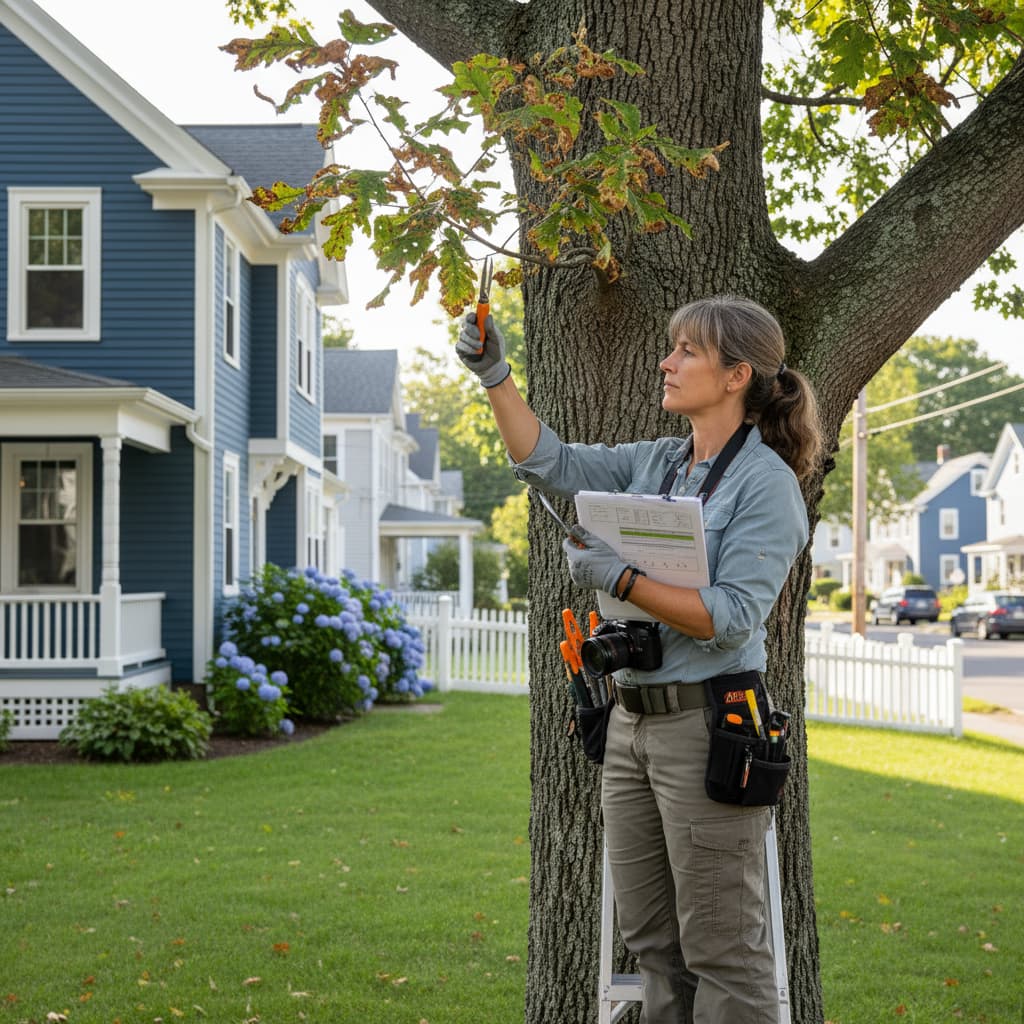
Heat stress occurs when the temperatures consistently rise above 90 degrees, which causes the tree to become unable to process the usual processes of the tree. The heat-island effect in many urban areas, such as Assembly Row and Union Square, can make temperatures even hotter than in the surrounding areas. When trees experience heat stress, you will see symptoms such as wilted leaves, browning at the edges of leaves, premature drop of leaves, and stunted growth.
Somerville has small, compact neighborhoods; specifically, in the Winter Hill and East Somerville area, the reflected heat off buildings, pavement, and a lack of air circulation around the trees cause additional challenges. Some of the ways to mitigate this issue and support the overall health of your trees during the hot summer months include using strategic tree-pruning methods.
Timing for Summer Tree Pruning
In Massachusetts, the ideal time-frame for summer tree pruning is mid-July to mid-August, when the tree has reached its full canopy; however, if there is an extreme heatwave, it would be wise to delay any non-essential tree pruning. For your own safety and for the best possible condition of your trees, always do your pruning in the early morning hours.
Critical Times to Avoid
Always avoid doing any tree pruning during extreme heatwaves or within three days before an extreme heat event. Trees need all of their stored energy to endure the heat stress, and all energy is diverted to healing the pruning wounds. Always keep an eye on the weather forecast during the summer months, when the heat in the Prospect Hill and Spring Hill areas of Somerville can get extremely high.
Important Methods for Reducing Heat Stress Through Pruning
Selectively Remove Dead Branches
Remove dead branches, diseased branches, and damaged branches first, in the summer months. There is nothing to gain by keeping these branches, as they consume valuable energy from the tree and possibly harbor insects and disease. Prioritize the removal of deadwood that could potentially fall during a storm, which is very common in Somerville.
Thin Overcrowded Branches to Improve Airflow
To improve airflow through the entire tree canopy and to allow for better light penetration, selectively thin overgrown branches. Thin branch removal is especially effective for mature trees located in densely populated neighborhoods, like Magoun Square and Ball Square, where air circulation can be severely limited.
Manage Water Sprouts and Root Suckers
Remove any water sprouts and root suckers that are competing for the tree’s limited resource of energy in the summer. Water sprouts and root suckers drain valuable nutrients and water from the tree and divert this energy from combating heat stress; therefore, removal is a priority.
Pruning Best Practices to Avoid During Extreme Heat
Do Not Perform Major Structural Pruning
Avoid performing major structural changes or cutting a lot of foliage from the tree during extreme heat. Cutting a great deal of foliage creates new growth that requires a tremendous amount of energy and water when the tree is at its weakest. Plan to perform extensive crown reductions or shape the tree during late winter or early spring.
Do Not Top Trees or Remove More Than 25 Percent of Foliage
Never top a tree or remove more than 25 percent of the foliage during extreme heat. Removing too much foliage removes the tree’s natural cooling mechanism and exposes the previously shaded bark to excessive sunlight that can lead to sunscald damage. Topping trees and excessive thinning are particularly damaging for trees located in heavily trafficked areas, such as Teele Square.
Species-Specific Consideration
Maple Trees
When pruning maple trees in Somerville, take particular care when pruning during the summer months. Maple trees bleed profusely when cut, and the loss of sap can be a serious concern. If you must perform pruning during the summer, do so in late summer when the sap is naturally flowing less.
Oak Trees
Oak trees must receive special consideration during the summer months, as they are susceptible to oak-wilt disease. Do not prune oaks from April to October, except in cases where immediate safety concerns exist. If pruning is needed to protect life or property, immediately apply wound dressing to the cuts to deter beetles.
Urban-Adapted Species
Trees such as honey locust and London plane trees, commonly used in Somerville street plantings around Powder House Square and Inner Belt, tend to be more tolerant of summer pruning compared to other species. Nevertheless, even these durable types of trees will be benefited by conservatively pruning during extreme heat.
Promoting Tree Health Beyond Pruning
Watering Trees Correctly
Combine your pruning efforts with deep, infrequent watering during periods of heat stress. To minimize evaporative loss, water in the early morning. Newly pruned trees may require more water as they recover from being wounded and adjust to their altered structural form.
Using Mulch to Regulate Soil Temperature
To help control soil temperature and retain moisture around newly pruned trees, apply a 2-4 inch layer of organic mulch. Make sure to keep the mulch at least 6 inches away from the base of the tree to prevent rot. This is especially helpful for trees in the more exposed areas of Somerville, such as Assembly Row.
Monitor for Indications of Successful Adaptation
Following summer pruning, look for evidence of the tree successfully adapting to the pruning, such as new buds forming, maintaining leaf color, and continuing to grow. If the tree shows indications of continued stress, consider providing additional care or consulting with a professional to ensure the tree remains healthy for years to come.
Work with Certified Arborists During Challenging Weather Conditions
Certified arborists are crucial partners when working with trees during the summer months, when the trees are most susceptible to heat stress. Professionals have the knowledge to determine if pruning is warranted under current weather conditions and can complete the necessary work with the least amount of stress to the tree. Additionally, professional tree-service companies have the necessary liability coverage and personal protective equipment (PPE) to perform hot-weather work.
Tree pruning during heat stress requires thoughtful planning, exact timing, and conservative pruning practices. With the guidelines outlined above and working with certified professionals, Somerville property owners can assist their trees not only to endure the heat of the summer but to continue thriving in the challenging conditions.
Expert Tree Pruning Services in Somerville
At Somerville Tree Masters, we recognize the specific challenges posed to tree health by Massachusetts summers. Our certified arborists are knowledgeable about managing heat stress and understand the timing and method of safe pruning for challenging weather conditions. We have assisted numerous residents of Somerville in keeping their trees healthy and aesthetically pleasing through our summer pruning and comprehensive care programs. We serve the entire city of Somerville, from the historic neighborhoods surrounding Ward 2 to the new development areas adjacent to the Mystic River.
LATEST POSTS