Tree Care: Disease Treatment Options in Somerville
Tree Disease Treatment Somerville
Urban forest diseases (tree diseases) have the potential to severely impact the overall health of Somerville’s urban forest canopy, including all the mature oak trees along the street in Davis Square, and the many different tree species found within neighborhoods such as Ten Hills and Assembly Row. The knowledge of the many treatments available for tree diseases is important to help homeowners protect their investment in the beauty of their property and keep their trees healthy. Early detection and proper tree disease treatment will help to prevent the rapid spread of those diseases, which could potentially destroy an entire neighborhood.
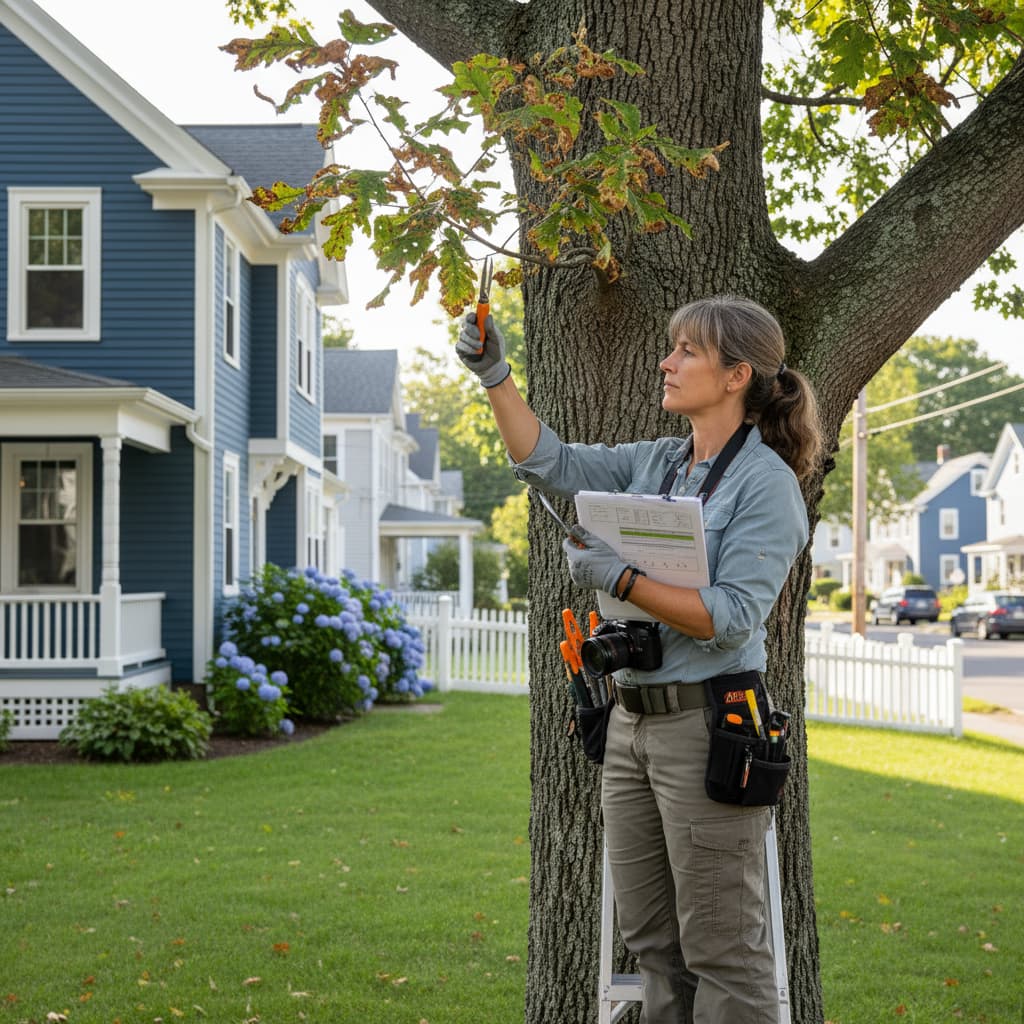
Common Tree Diseases Found in Somerville
Oak Anthracnose
Oak anthracnose is one of the most common tree diseases that infects trees throughout Massachusetts. Oak anthracnose has become an increasing problem for white oak trees in Somerville’s residential areas. White oak is the most common oak tree in Somerville. The signs of oak anthracnose can be seen at any time, but they are usually noticeable in late summer and fall. Oak anthracnose can be recognized by the presence of brownish-black blotches along the veins of the leaves; small, water-soaked spots on the leaves; and a general decline of the foliage in mid-to-late summer. All of these signs are caused by fungi. Cool, wet springs, such as occur in the Boston area, allow the fungi that cause anthracnose to grow and multiply rapidly. The disease is also very likely to occur in the lower part of the canopy of trees in shaded areas, such as those located in Union Square and Winter Hill.
Beech Leaf Disease
A relatively new threat to Massachusetts since 2015 and now confirmed in over 80 Massachusetts municipalities, beech leaf disease affects American beech trees in many Somerville neighborhoods. A microscopic nematode causes beech leaf disease. One of the first symptoms of beech leaf disease is a series of dark bands or stripes on the leaves. As the disease progresses, the canopy will thin, and the tree will eventually die. Because the nematode that causes beech leaf disease is so difficult to detect, it can be very hard to identify the cause of the damage to the tree, and therefore, to treat.
Oak Wilt
Although oak wilt is much less common in Massachusetts than in the Midwest, it is still a serious concern for property owners who have valuable oak trees. Oak wilt is a fungal disease that is transmitted to healthy trees by direct contact with the roots of an infected tree and/or by insect vectors (such as beetles). Once a tree becomes infected, it begins to wilt rapidly, and if left untreated, it will eventually die. Red oak is the species most commonly affected by oak wilt. It is estimated that once an oak-wilt-infected tree dies, it can take up to 20 years for a new tree to grow in its place.
Prevention and Treatment Methods
Fungicide Application
Treating trees with fungicides is the most effective way to treat many of the common tree diseases. Fungicides must be applied at the correct time, typically before bud break in the spring, when trees are most vulnerable to infection. Arborists can recommend the correct fungicide and application timing for your property based on the disease pressure and tree species on your property.
Systemic Injection
For trees that are highly valued, or where there is significant disease pressure, systemic injection provides a means of delivering fungicides directly into the tree’s vascular system. Systemic injections provide longer-term protection for trees than foliar sprays and generally result in less environmental impact. Systemic injections are especially effective for controlling diseases such as oak wilt in valuable specimen trees in Somerville’s historic neighborhoods.
Improving Soil Health
Trees that have strong immune systems, resulting from a well-balanced and nutritious soil environment, can fight off disease-causing organisms more effectively. Professional soil testing and amendment services identify soil deficiencies in nutrients, compaction, pH, and other limiting factors that affect a tree’s ability to defend itself against disease-causing organisms. Urban environments, such as those found around Magoun Square and Ball Square, are particularly challenging for trees because their soils are often contaminated from construction and development activities.
Cultural Management Techniques
Pruning
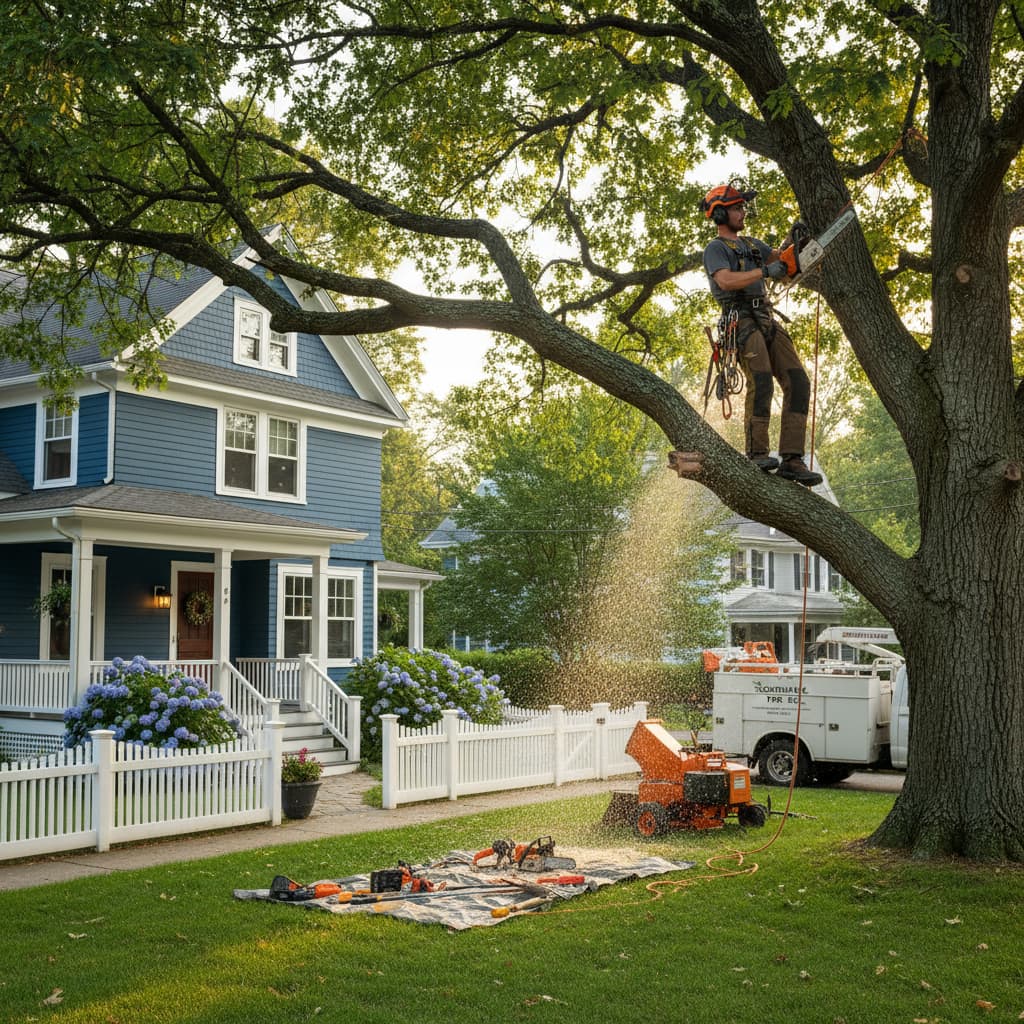
Pruning is a vital component of disease management. Pruning removes dead, dying, and diseased branches that provide a source of infection for other parts of the tree. Proper pruning techniques can also improve air flow through the canopy, reducing the potential for disease. Oak trees should never be pruned during the growing season (April through July) when the insects that spread disease are most active.
Sanitation
Removing all infected plant materials and debris can help prevent the continued cycling of disease within a tree population. This includes disposing of infected leaves, branches, and debris that can harbor pathogens through the winter months. Homeowners in densely populated areas, such as Teele Square and Spring Hill, should pay special attention to sanitation, as diseases can quickly move between closely spaced trees.
Irrigation
Appropriate irrigation practices can contribute to tree health and also reduce the likelihood of creating conditions that lead to disease development. Infrequent, deep watering encourages the development of strong roots, while avoiding overhead watering reduces the amount of moisture on the leaves that many fungal diseases require for infection. This is particularly important during Somerville’s humid summer months.
Timing and Seasonal Factors to Consider When Treating Tree Disease
Spring Treatments
Most tree disease treatment programs begin in early spring before bud break. This timing provides fungicides with the opportunity to develop a protective barrier on the tree before new growth emerges. Spring treatments are necessary for controlling leaf-spot diseases, such as anthracnose, that thrive in the cool, wet conditions that are common in Massachusetts.
Summer Monitoring
During the summer months, disease symptoms and stress factors that can compromise a tree’s defenses and increase its disease susceptibility must be monitored vigilantly. High temperatures and drought stress are common in urban areas, such as Assembly Row, and can weaken tree defenses, requiring prompt evaluation and intervention by certified arborists.
Fall Preparations
Fall treatments focus on enhancing tree strength and preparing them to survive the coming winter and the pathogens that remain dormant in the tree’s tissues during the winter. Fall treatments include fertilizer programs, deep watering before the ground freezes, and removal of all infected plant debris that may contain pathogens until the next spring.
Advanced Disease Management Technologies
Biological Controls
Newer biological control methods involve using beneficial microorganisms to suppress the activity of disease pathogens and stimulate the tree’s immune response. Biological controls are becoming increasingly popular among environmentally-conscious homeowners in Somerville’s diverse neighborhoods, especially those located adjacent to sensitive areas, such as the Mystic River Corridor.
Growth Regulators
Tree growth regulators can help trees cope with stress and channel their energy toward disease resistance instead of producing excess growth. Growth regulators are especially beneficial for trees in stressful urban environments where space limitations and environmental stresses are common concerns.
When to Remove Diseased Trees
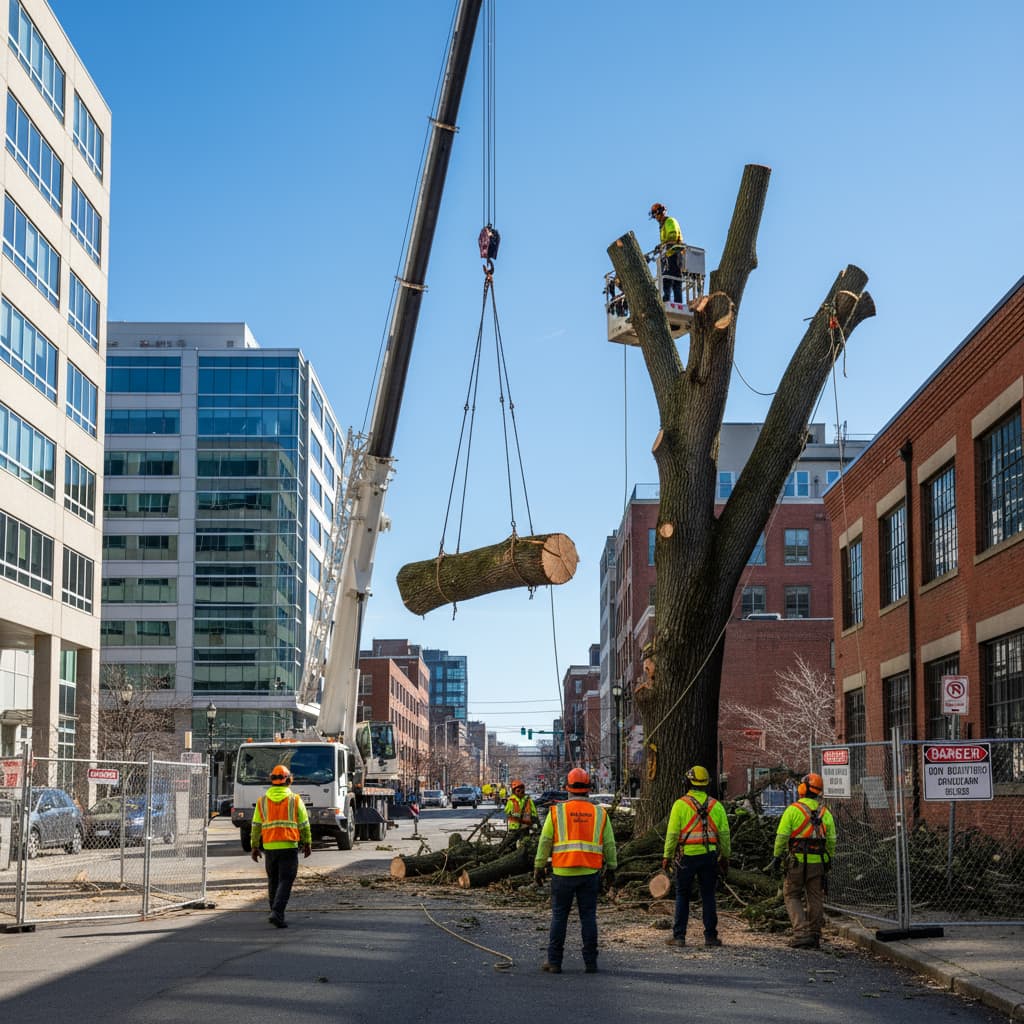
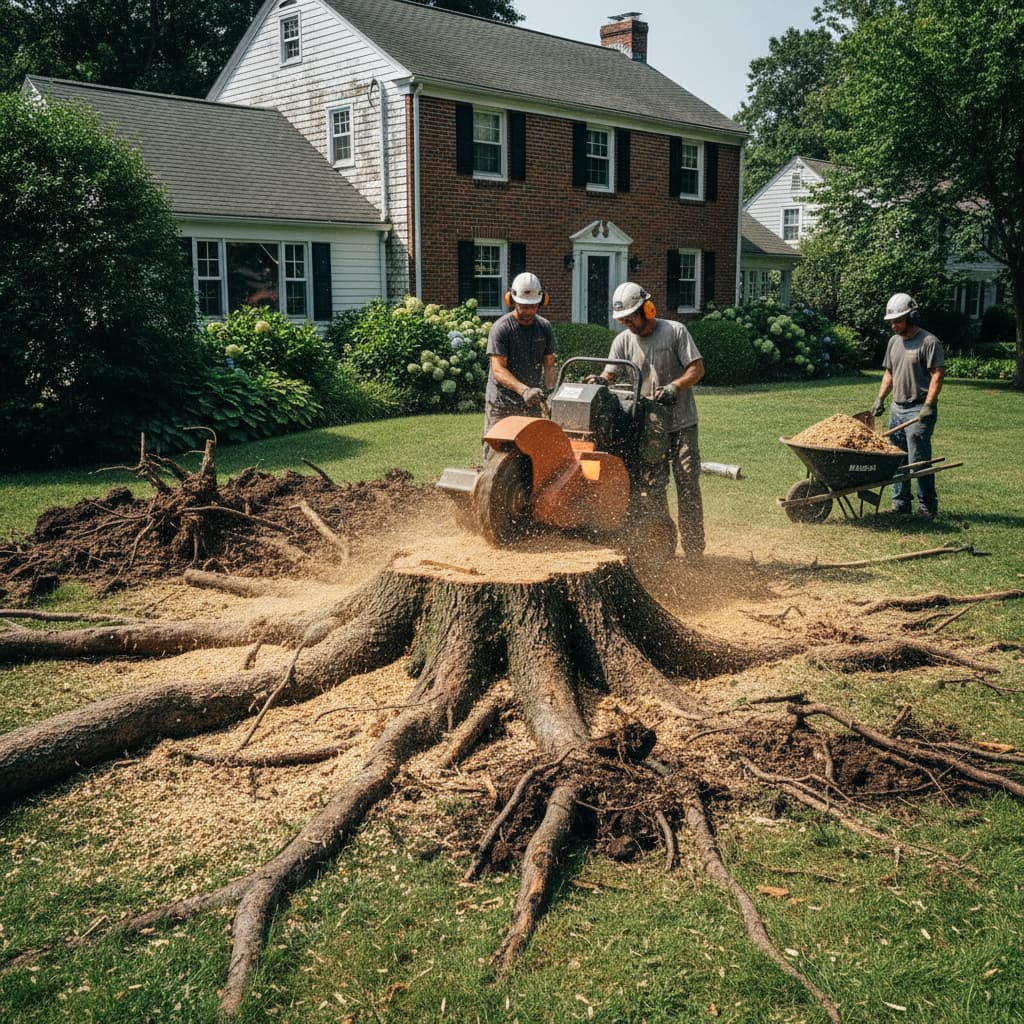
Some diseased trees cannot be saved despite the best efforts of arborists and must be removed for the protection of surrounding healthy trees and to maintain safe property conditions. Trees that have experienced significant canopy loss, structural damage due to disease, and/or have been infected with highly contagious pathogens, such as oak wilt, may require removal. Consultation with certified arborists early in the process will assist in determining whether treatment or removal is the most practical long-term solution.
Comprehensive Tree Disease Management Plans
Developing an Integrated Disease Management Plan that incorporates multiple strategies that are tailored to the specific needs of each property, and the level of disease pressure faced by trees on that property, is the most effective way to manage tree disease. Certified arborist companies develop comprehensive plans that include regular monitoring of trees, providing preventive treatments, implementing cultural practices, and developing emergency-response plans. These types of comprehensive plans provide the best possible defense for valuable trees while being cost-effective.
Success in treating tree diseases depends on having the right tools, knowledge, and expertise to properly diagnose and treat tree diseases, as well as the correct timing for each treatment. Working with certified arborists ensures that diseases are accurately diagnosed, the right treatment is chosen, and the treatment is administered safely and effectively.
Professional Tree Disease Management Services from Somerville Tree Masters
Somerville Tree Masters recognizes the unique challenges posed by tree diseases in our urban environment. Our certified arborists have extensive experience in diagnosing and treating tree diseases that affect trees in Somerville, from Powder House Square to Ward Two. We create custom-tailored treatment plans that address the specific disease threats that exist on each property while working to optimize the health of the trees on that property, thus preserving the beauty and integrity of Somerville’s urban forest for future generations.
LATEST POSTS