Plant & Tree Health Care Services
Professional Plant & Tree Health Care Services in Somerville, MA
Your trees provide substantial returns on your home’s beauty, comfort, and value by greatly improving your home’s curb appeal and its appraised property value. In the urban environment of Somerville, however, your trees suffer from many different stresses, including local disease, invasive pest attacks, extreme weather events, and nutrient deficiencies, which can all shorten your tree’s life expectancy and affect its ability to be a strong, healthy tree. Our certified arborists at Somerville Tree Masters use science-based plant health care (PHC) services specifically developed for Somerville and other local communities to protect your trees from these threats and give them the best chance to grow and develop into long-lasting trees.
Unlike many companies that just treat the symptoms of a stressed tree, our trained arborists have many years of experience in diagnosing and treating the roots of the problems causing stress in trees. Through the application of scientific knowledge of tree biology along with their extensive experience in managing tree health in New England, our staff can identify the source of the problem and take the appropriate action to prevent further damage to your tree. By using this proactive approach, we are able to preventatively address potential problems in the Massachusetts growing season, so that your trees will remain as healthy and vibrant as possible and will continue to thrive under the changing conditions of the Greater Boston Area.
We understand that if you are concerned about a specific tree, would like to protect a valuable tree from local threats, or would like to enhance the performance of your entire landscape, we will work directly with you. Using our expertise and knowledge of the unique soil types and climates of Somerville, we will provide the level of professional care required to ensure your trees remain a thriving and healthy part of your landscape for years to come.
Comprehensive Tree Health Assessment
A professional tree health assessment is a basis for providing good-quality plant care and successful long-term landscape management. A health assessment is conducted by a certified arborist at Somerville Tree Masters to evaluate the overall health of a tree as part of a standard diagnostic process for identifying signs of disease, pests, nutrient deficiencies, or environmental stresses affecting tree health. The standard diagnostic process involves an examination of all parts of the tree, including the root system, trunk, branches, and leaves, to provide a full profile of the health of each tree.
In addition to evaluating the health of the individual tree, we also assess the environment of the area surrounding the tree and how it may be influencing the health of the trees. We assess the soil conditions, drainage around the tree, the amount of sunlight the tree receives, competition from other plants, and human impact on the trees in both urban and suburban environments. This type of assessment allows us to get to the source of the health issues with the trees and create a sustainable plan for managing them to promote their long-term health.
Benefits of health assessments:
- Identify health issues early so you can take action
- Use a complete diagnostic protocol to find out what is wrong
- Document your findings and report them to you
- Assess the site-specific environmental conditions
- Provide ongoing monitoring of tree health
Get A Free Quote
Disease Diagnosis And Treatment
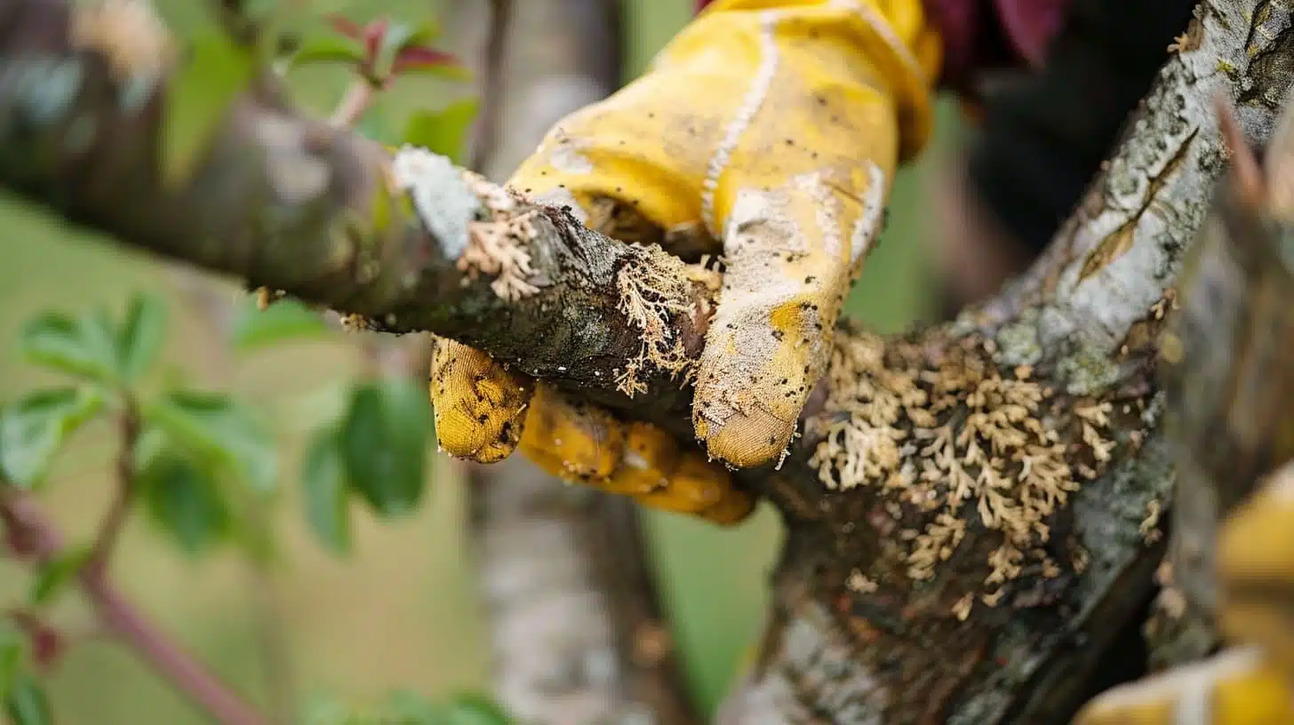
If left untreated, many types of tree diseases can rapidly infect large portions of a landscape and lead to significant tree damage and loss. Our experienced plant pathology staff are skilled in identifying and providing treatment options for many of the most common tree diseases that affect Massachusetts’ urban and suburban trees, such as anthracnose, apple scab, fire blight, Dutch elm disease, and various fungal infections. If we need additional information to make an accurate diagnosis, our staff will use laboratory tests to identify the tree disease so that we can create an appropriate treatment plan.
In addition to treating current tree diseases, we also offer preventative treatments and long-term monitoring, which will help prevent future infections. Some of these preventative methods include: adjusting how much air circulates through your trees (to help remove pathogens), reducing the amount of moisture in the soil around your trees, choosing disease-resistant tree species, and employing sanitation practices that disrupt the cycle of disease transmission. Through regular monitoring, we can track the success of previous treatments and modify our management plans to address changing seasonal conditions or increasing disease pressure.
Our disease management services include:
- Expert pathology analysis of your diseased trees
- Confirmation of tree disease identification using laboratory testing
- Creation of a specific treatment protocol for your diseased trees
- Recommendations for preventative measures to reduce the risk of future tree infections
- Regularly scheduled monitoring and adjustments to your disease management strategy based on changes in seasonal conditions and/or increased disease pressure
Soil Health and Nutrition Programs
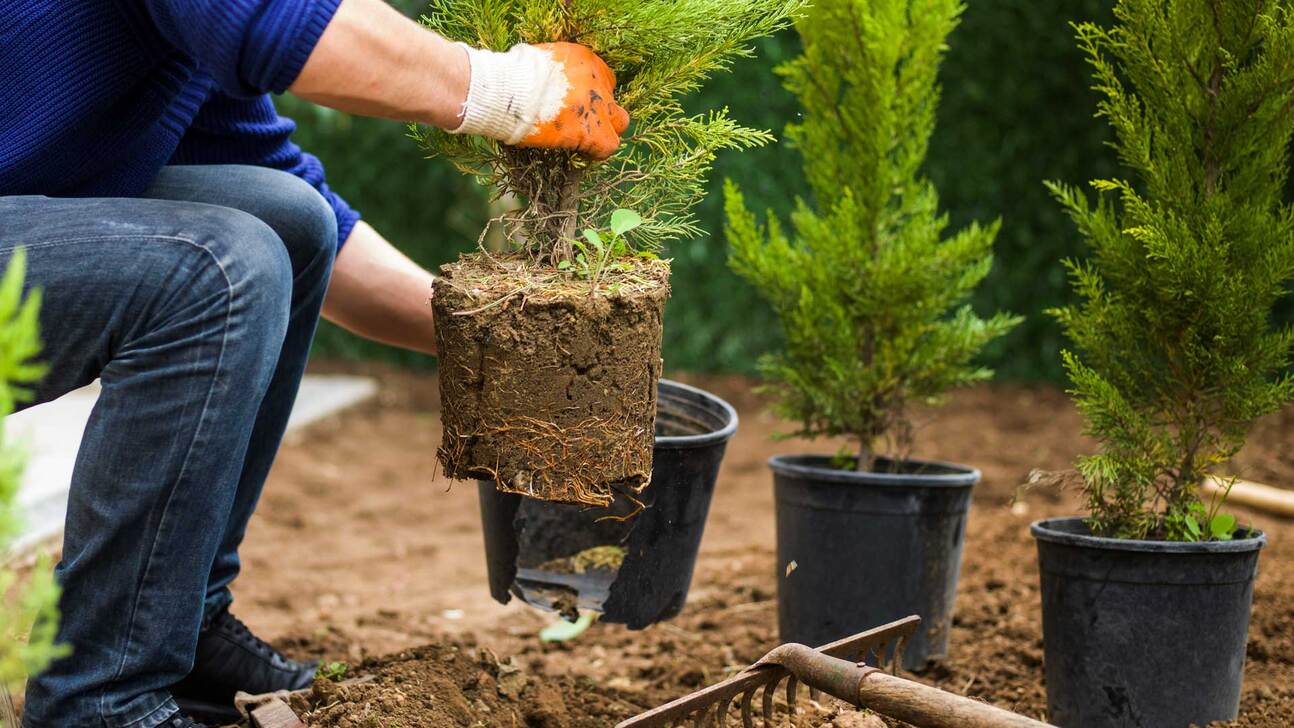
Healthy soil is important for vigorous tree growth and disease resistance; therefore, managing your soil is an essential part of overall plant health care. Our soil experts will perform in-depth soil testing to determine the pH level of your soil, nutrient availability, the percentage of organic matter within the soil, the degree of compaction, and how water drains through the soil—all of which affect root development and nutrient absorption by the roots of trees. We will then create a custom soil improvement program to specifically correct identified deficiencies and site conditions.
The soils found in urban and suburban areas have been damaged due to the building process, contaminated with pollutants, and/or have poor drainage, which can be very difficult to overcome and require specialized remedial techniques to allow for the proper growth of healthy trees. Our soil improvement services include:
- Deep root fertilization
- Mycorrhizal inoculation
- Drainage improvement
- pH adjustment treatments to restore function to your soil
We will also educate you on how to protect your soil during construction activities and give you recommendations on how to manage your soil so it remains healthy over the long term.
Services related to soil health:
- In-depth testing and analysis of your soil
- Development of custom nutrition programs for your trees
- Organic methods for improving your soil
- Remediation of compacted soils
- Prevention of construction damage to your soil
Preventive Plant Health Programs
Preventative plant health care is a proactive means of preventing potential problems prior to the point at which they become expensive repair solutions or lost trees that affect both property value and the aesthetic appeal of the landscape. Our preventative health programs include regular monitoring, seasonal treatments, and cultural practices to maintain healthy trees and minimize long-term care costs. Based upon plant type, location, and environmental risk, we will create a customized preventative maintenance schedule for the Somerville area.
Our preventative care programs address several health issues at one time by scheduling treatments together to provide maximum benefit with minimum disruption to the plants. The seasonal preventative care program includes:
- Spring: Fertilize and prevent pests.
- Summer: Manage stress and monitor diseases.
- Fall: Prepare for the next growing season with treatments.
- Winter: Protect from cold-weather damage.
By using this structured approach to caring for your trees, you can ensure your trees remain in good health and identify potential problems as quickly as possible when the best treatment options are available.
Advantages of preventative care programs:
- Identify problems early (proactive)
- Coordinate treatments throughout the year
- Reduce future care costs
- Improve the overall performance of the landscape
- Create a customized monitoring schedule